
Compliance Standards and Innovation Trends of Modern Medical Circular Connectors
The production and application of medical circular connectors are restricted by strict global medical electrical standards, while technological innovation continues to drive product iteration toward miniaturization, integration and intelligent sterilization compatibility. Understanding relevant compliance norms and future development directions is critical for medical device designers and connector manufacturers.
Two core international standards dominate the industry: IEC 60601-1 and ISO 13485. IEC 60601-1 defines medical electrical equipment safety requirements, mandating medical circular connectors to reach 2 MOPP (Means of Patient Protection) insulation clearance to prevent electric shock risks to patients and operators under fault conditions. ISO 13485 regulates the full quality management system for medical component production, requiring complete traceability of all raw materials, production testing and batch records of connectors for clinical device approval. Meanwhile, ISO 80369 series standards standardize anti-misconnection dimensional design to unify global medical interconnection safety rules. Additional compulsory tests include IP waterproofing, autoclave cycle aging and biocompatibility cytotoxicity detection before market launch.
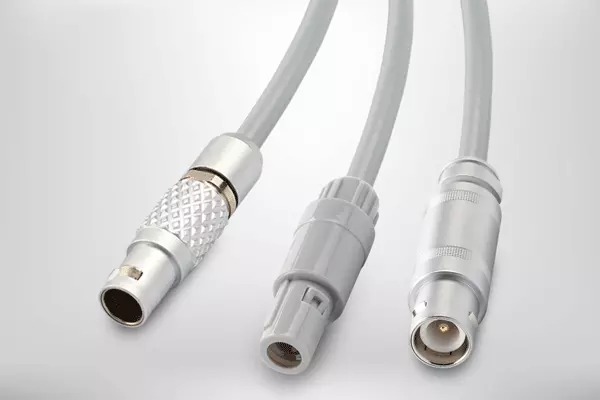
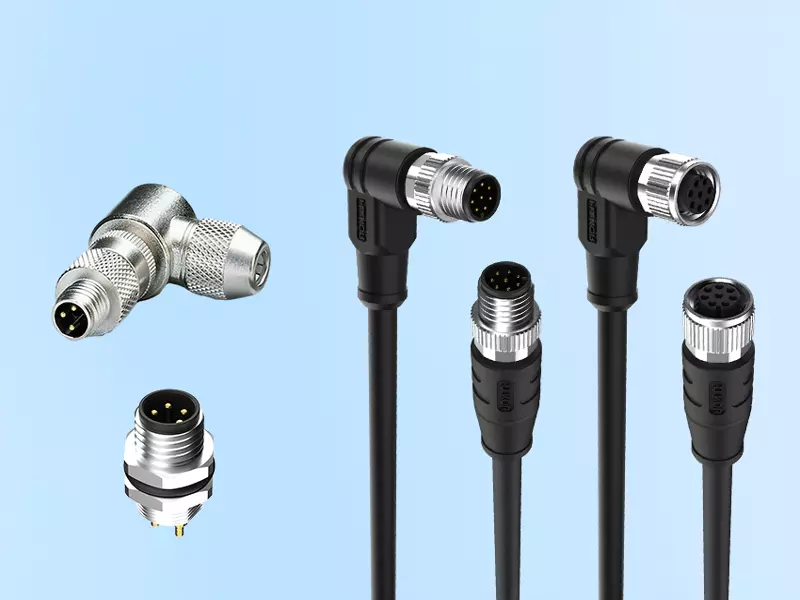
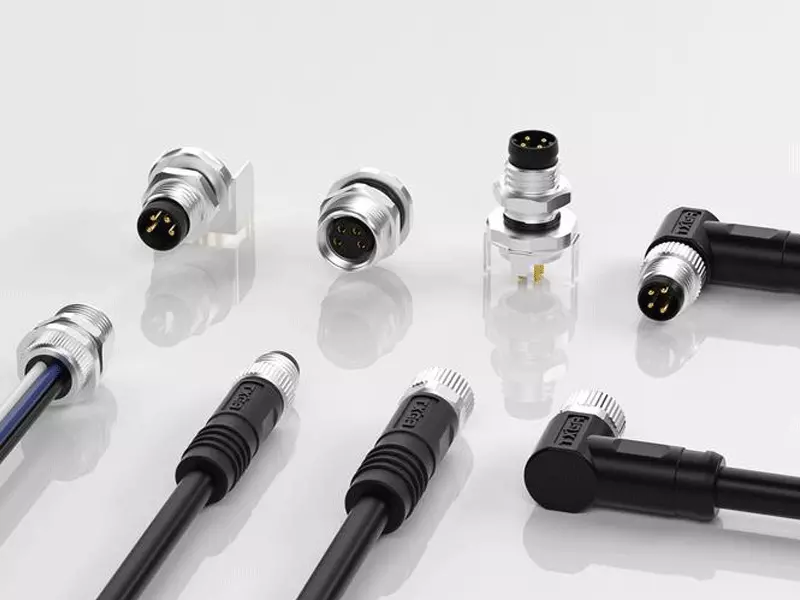
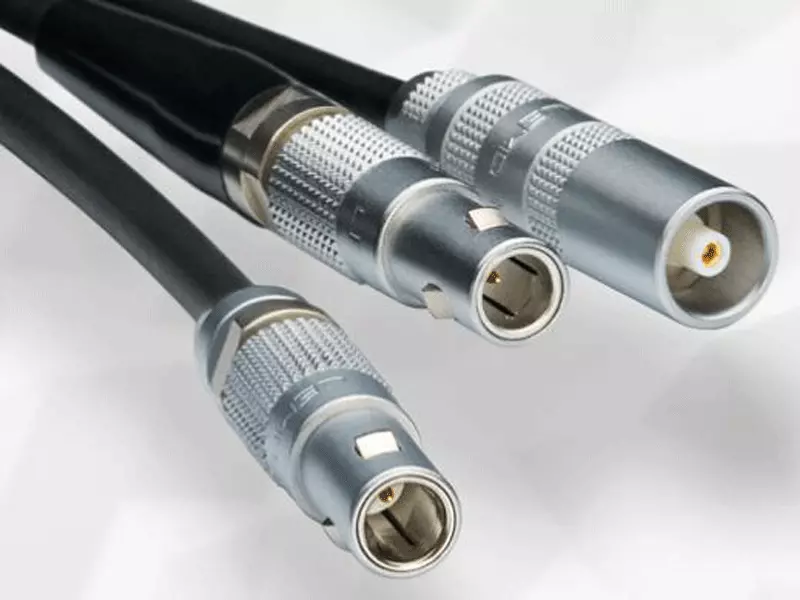
Current mainstream technological trends can be divided into three directions. The first is extreme miniaturization: miniature push-pull circular connectors with diameters below 8 mm are mass-produced for wearable medical sensors and micro-laparoscopic instruments, maintaining stable signal transmission while saving equipment internal space. The second is multi-functional hybrid integration: new hybrid circular connectors combine power pins, high-speed coaxial video contacts and fluid delivery channels, realizing simultaneous transmission of electricity, 4K imaging and irrigation liquid through one single plug, greatly simplifying surgical equipment pipeline layout.
The third trend is split reusable/disposable dual product lines. Reusable metal circular connectors with 5,000+ mating cycles target large fixed hospital equipment, while low-cost single-use plastic variants serve outpatient emergency and disposable minimally invasive devices, cutting hospital disinfection labor costs. Besides, non-magnetic circular connectors for MRI operating rooms are widely promoted, adopting titanium alloy shells to avoid magnetic field interference with scanning images.
Looking ahead, medical circular connectors will further integrate intelligent monitoring chips, which can real-time detect contact resistance and send fault early warnings to medical equipment hosts. With the popularization of home medical devices, lightweight, low-cost circular connector solutions for household blood glucose monitors and portable ventilators will become a major research focus. All innovations revolve around the core demands of clinical safety, stable transmission and convenient sterilization, continuously upgrading the reliability of medical interconnection systems.
Next: No More