
How to Choose the Right Connectors for Your Project
System designers often face the core selection question: circular or rectangular electrical connectors for equipment interconnection. The two types differ drastically in mechanical structure, environmental resistance, shielding performance and applicable scenarios; understanding their core pros and cons helps optimize project reliability and manufacturing costs.
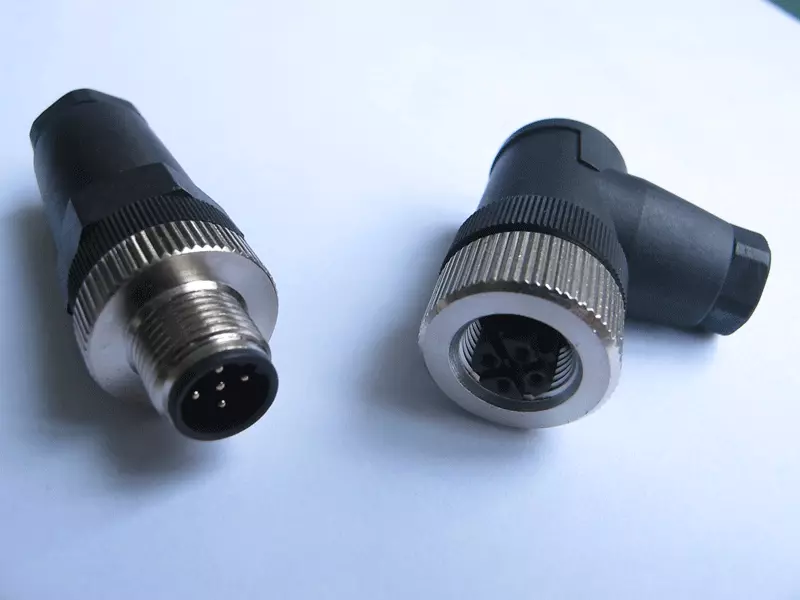
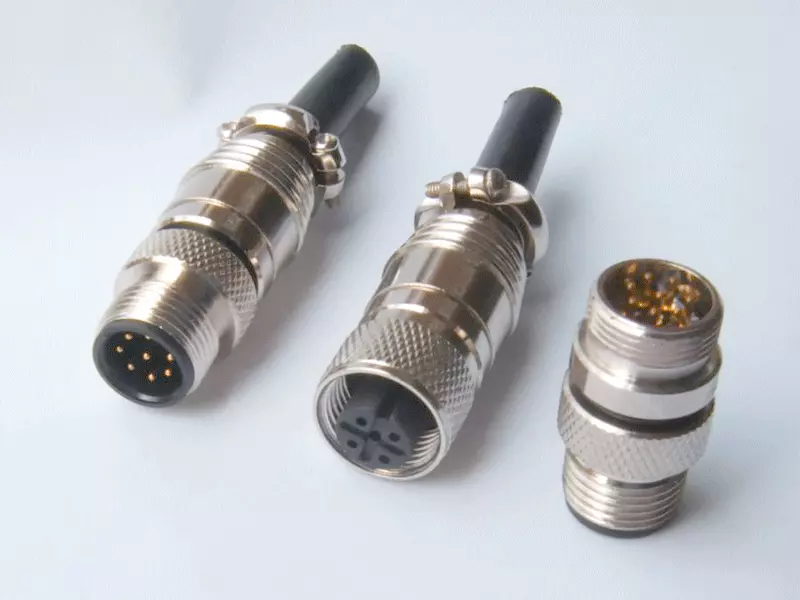
Starting with mechanical stability and sealing: circular connectors own obvious advantages. The cylindrical shell distributes external impact and vibration force evenly around the circumference, while rectangular flat shells concentrate stress on four corner edges, prone to loose sealing and shell cracking under sustained vibration. Circular connectors adopt 360° annular silicone gaskets for complete waterproof dustproof sealing, easily reaching IP67–IP69K grades; rectangular connectors rely on linear side gaskets, with gaps easily appearing at four corners under deformation, rarely supporting IP68 deep submersion certification. For equipment working with engine vibration, outdoor exposure or underwater installation, circular connectors are the safer choice.
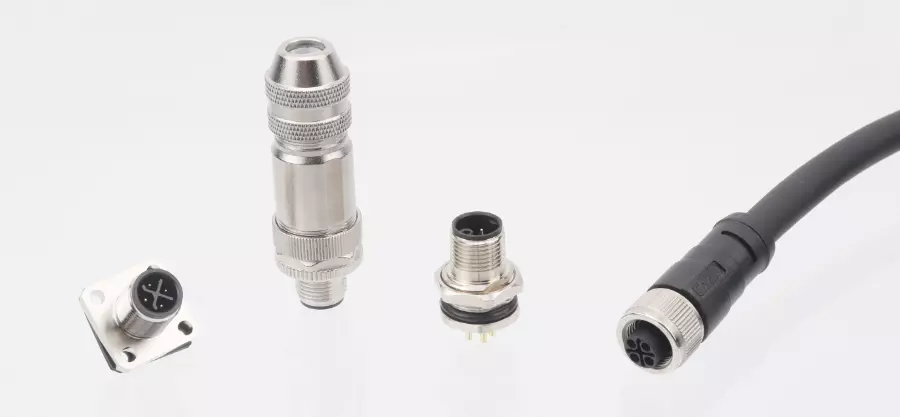
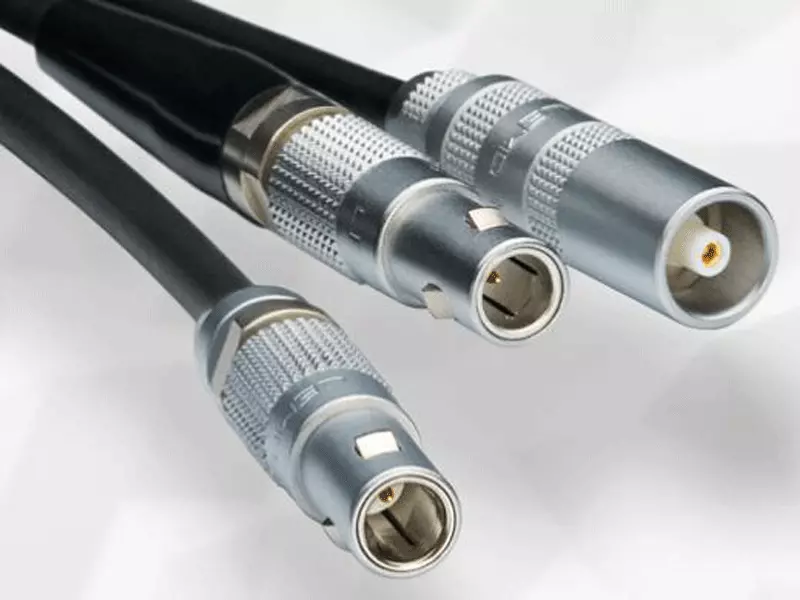
Electromagnetic shielding performance also favors circular designs. Metal circular shells form an uninterrupted cylindrical shielding cavity, blocking 360° of external EMI/RFI interference, critical for high-precision signal, radar and communication equipment. Rectangular metal connectors have shielding gaps at shell splicing seams, leading to partial signal leakage and interference susceptibility, only suitable for low-demand internal cabinet wiring without strict EMC requirements.
In installation and wiring flexibility, rectangular connectors hold partial strengths. Modular rectangular connectors support freely combined power, signal and fiber modules, convenient for customized multi-function cabinet backplanes, and save horizontal space on PCB boards for dense internal circuit layout. Circular connectors feature fixed insert pin layouts, with customization cycles longer than modular rectangular products, and occupy larger radial space on panel mounting holes. Locking mechanisms differ significantly: circular connectors offer threaded, bayonet and push-pull multi-mode locks for diverse environments; rectangular connectors mostly use simple side latches with weak anti-vibration capacity.
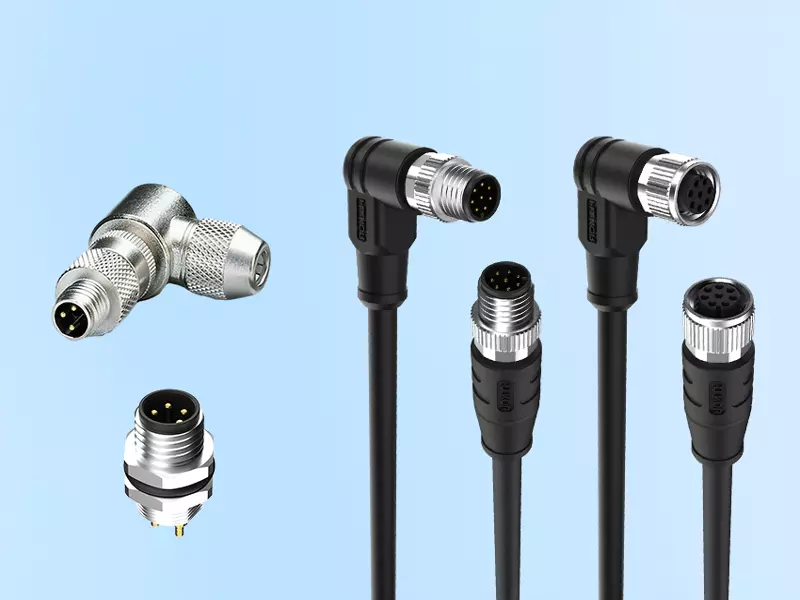
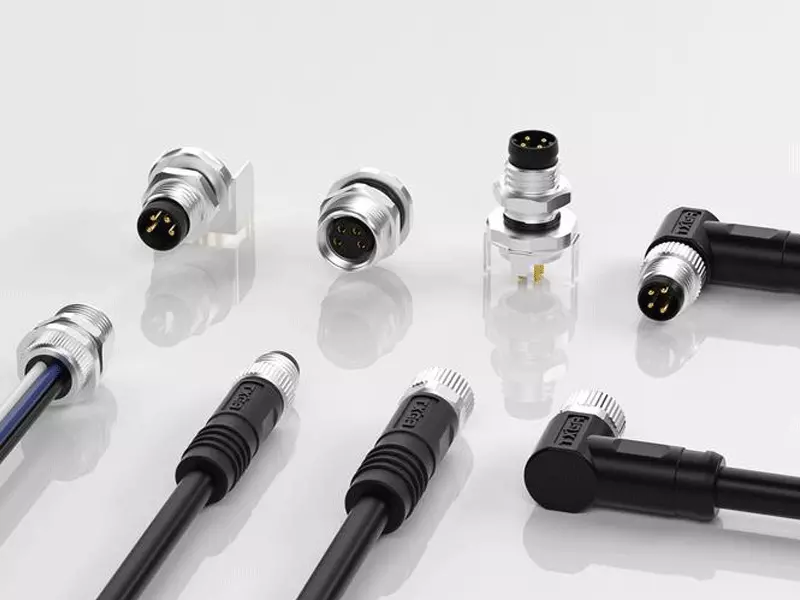
Cost and service life differences depend on application batches. Standard M8/M12 mass-produced circular connectors achieve competitive pricing for sensor small-batch equipment; large high-density military circular connectors carry higher costs than equivalent rectangular connectors. Under identical harsh environmental testing, circular connectors deliver 2–3 times longer service life due to superior sealing and shock resistance.
Clear selection guidelines simplify engineering decisions: choose circular connectors for outdoor, vibration, underwater, medical, aerospace and industrial sensor equipment requiring waterproof shielding; select rectangular modular connectors for indoor fixed cabinet PCB wiring, low-interference low-vibration electronic devices prioritizing compact planar layout. Hybrid solutions combining both circular and rectangular connectors are also common in complex integrated equipment to balance wiring space and environmental reliability.