
Wide Application Scenarios of Medical Circular Connectors in Clinical Devices
From emergency intensive care units to operating rooms and diagnostic laboratories, medical circular connectors run through all types of life-support, monitoring and surgical equipment, bearing the critical task of stable signal and power transmission in every clinical link. Different device scenarios impose targeted performance requirements, driving diversified product specifications of circular connectors.
Patient monitoring systems are the most extensive application field. Multi-pin miniature circular connectors connect ECG electrodes, blood oxygen probes and blood pressure sensors to bedside monitors, transmitting continuous vital sign data without signal distortion. Lightweight push-pull connectors are adopted for wearable telemetry monitors, enabling patients to move freely while maintaining reliable connection. High shielding performance avoids data distortion caused by nearby defibrillators, ensuring doctors obtain accurate heart rate and respiratory readings.
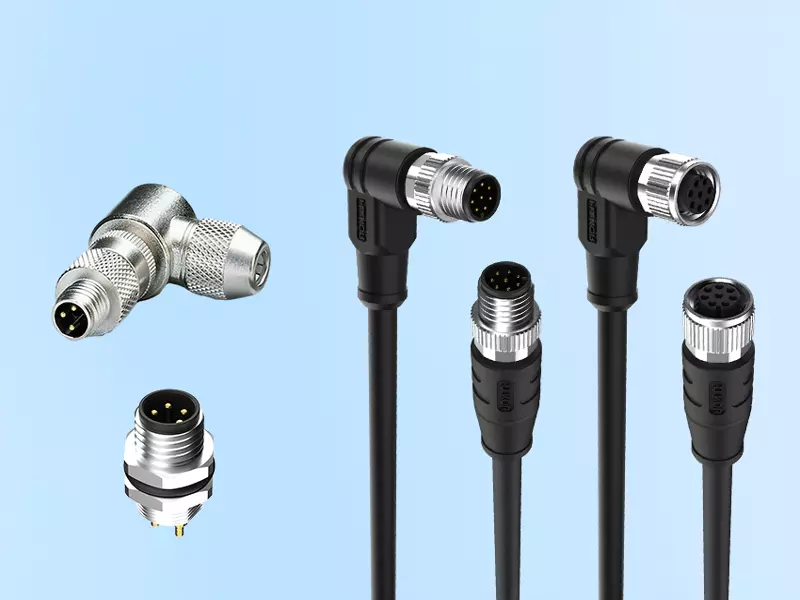
Life-support equipment such as ventilators, ECMO and infusion pumps demands ultra-high connection stability. Threaded locking circular connectors are installed on power and control signal interfaces, resisting accidental detachment during emergency patient transport. IP69K waterproof structures withstand daily high-pressure disinfection and liquid splashes; reusable models support hundreds of autoclave cycles to cut hospital operating costs. For implantable auxiliary devices like pacemaker programmers, tiny low-voltage circular connectors follow ISO 27186 standards to isolate high-voltage and low-voltage circuits for patient electrical safety.
Surgical and minimally invasive instruments rely heavily on sterilizable circular connectors. Laparoscopic endoscopes, surgical robot manipulators and electrosurgical pens adopt compact medical circular connectors with high-temperature-resistant seals, enduring repeated high-temperature steam disinfection between operations. Keyed coding prevents mixing of surgical tool interfaces to avoid equipment short circuits during minimally invasive procedures. Imaging equipment including CT, mobile X-ray and MRI machines uses non-magnetic circular connectors, eliminating metal artifacts in scan images while transmitting high-volume image data at high speed.
Laboratory diagnostic equipment such as blood analyzers and biochemical detectors also integrates small circular connectors for internal sensor and motor wiring. With the expansion of home medical devices, disposable lightweight circular connectors have emerged for portable blood glucose monitors and nebulizers, lowering product costs while meeting single-use hygiene demands. Covering all clinical scenarios, medical circular connectors act as invisible guardians of patient safety across the healthcare industry.
Next: No More